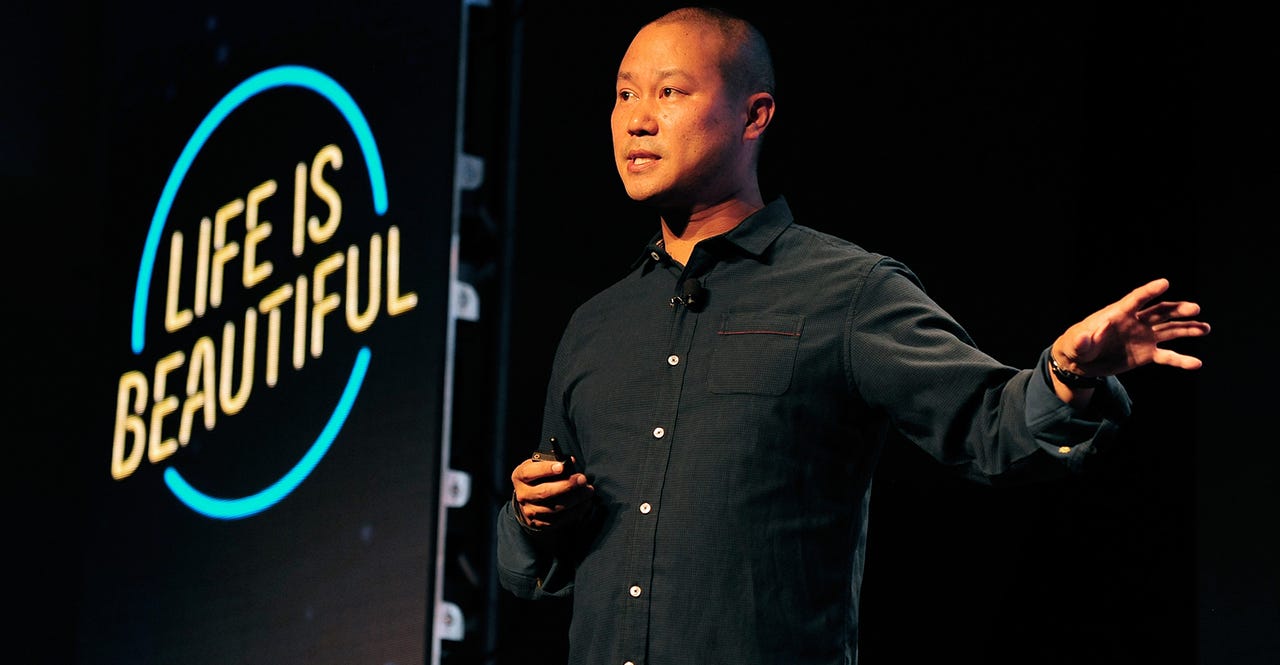
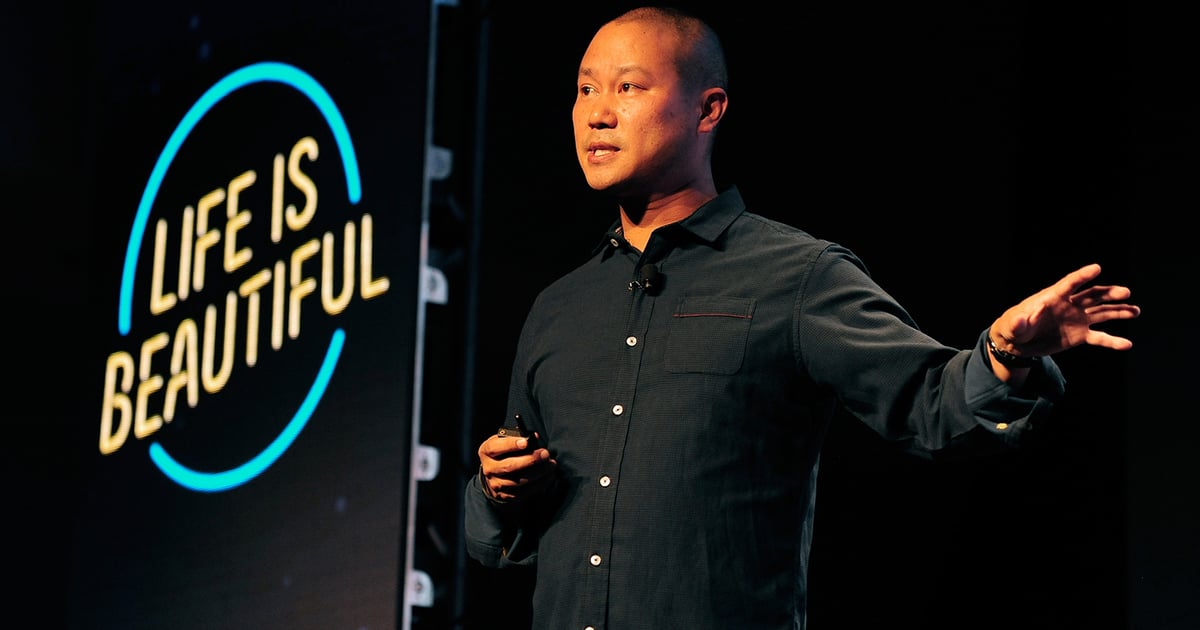
Tony Hsieh, the founder of Zappos, died in November 2020 at age 46 with an estimated $500 million fortune and no documented estate plan. He had no spouse and no children. His estate was on track to pass to his parents under Nevada intestacy law. Then, in early 2025, a seven-page document surfaced—mailed from Pakistan, purportedly signed by Hsieh, witnessed by four individuals whose listed addresses do not exist, and naming a trust with no verifiable public record. That document is now before a Nevada probate court with a legitimate claim on his entire estate.
This case is not just a cautionary tale about a famous founder. It is a blueprint for the kind of estate planning failures that expose any substantial estate to fraud, prolonged litigation, and unnecessary loss.
Why a Suspicious Will Can Still End Up in Probate Court
One of the most misunderstood aspects of probate law is how little it takes for a will to receive initial consideration by a court. In Nevada and most U.S. jurisdictions, a will must be in writing, bear the testator’s signature, and carry at least two witness signatures. That is the threshold—and the Hsieh document clears it. The fraud allegations do not prevent the document from entering the process; they simply become the subject of the litigation itself.
Investigators subpoenaed landlords at each witness’s listed address—and found that none of those addresses corresponded to real residences. None of the four witnesses appear in any U.S. property, professional, voter, or court records. The elderly Pakistani man who allegedly held the will for a decade similarly cannot be located. Hsieh’s own calendar for the date of the purported signing shows no record of any meeting with the witnesses‚—only a DeLorean delivery at Zappos headquarters.
Meanwhile, attorneys on both sides of the dispute are billing against the estate itself. The two Nevada lawyers named as co-executors in the document have been appointed as court-approved special administrators—also compensated from estate funds. Every dollar consumed by this litigation is a dollar unavailable to any beneficiary, legitimate or otherwise. That outcome may have been precisely the point.
The No-Contest Clause: A Legitimate Tool Turned Weapon
The most alarming provision in the Hsieh document is not its suspicious provenance—it is the no-contest clause buried within it.
No-contest clauses—also called in terrorem clauses—are standard estate planning tools designed to discourage heirs from filing baseless challenges to a carefully considered plan. In legitimate estate plans, they serve an entirely rational purpose. The problem arises when someone other than the testator is doing the drafting.
In the Hsieh matter, the clause functions as a deterrent against the very people most likely to expose the document as a forgery. Nevada enforces no-contest clauses broadly, with only a narrow exception for good-faith challenges. This puts the Hsieh family in a high-stakes position: mount a challenge and risk losing their inheritance entirely if the challenge fails. Richard Hsieh has demanded a jury trial, but probate juries are notoriously unpredictable—and the clause’s drafters almost certainly understood that.
The practical takeaway for anyone with an existing estate plan: if your documents include a no-contest clause, verify that it contains a good-faith/probable cause exception. Without that carve-out, a no-contest clause does not merely discourage frivolous litigation—it can functionally immunize a fraudulent instrument from challenge.
The Vulnerability Profile: Which Estates Are Most at Risk
A forensic psychiatrist who reviewed Hsieh’s condition concluded that he had been experiencing drug-induced psychosis in the period leading up to his death. He died at 46 having never retained estate counsel or executed any testamentary documents—leaving a half-billion-dollar estate entirely without legal protection.
This combination—significant wealth, compromised judgment, social isolation enforced by financially interested associates—is not unique to Hsieh. Advisors who work with high-net-worth individuals encounter versions of this profile regularly. The challenge is that the clients who fit this description are often the most resistant to the planning conversations that would protect them.
The dynamic that allowed Hsieh’s estate planning to go unaddressed is worth examining. Those around him had financial incentives to accommodate his preferences, not challenge them. When everyone in a wealthy person’s immediate circle depends on that person’s continued goodwill for their own income, the result is an environment in which hard conversations – about health, capacity, and planning – simply do not happen.
For families with a member who fits this profile—declining health, impaired judgment, growing distance from established advisors—the Hsieh case argues strongly for early legal engagement. The tools exist: powers of attorney, capacity evaluations, conservatorship proceedings where necessary. They are far easier to deploy while the window is still open.
How Forensic Experts Challenge a Fraudulent Will
The estate’s legal team has deployed multiple categories of expert challenge. A linguistics professor at Cambridge University analyzed the document’s language patterns and concluded they are consistent with South Asian English usage, not American legal drafting. An independent handwriting expert determined that Hsieh’s signature on the document is a forgery. A probate attorney identified non-standard phrasing throughout the document—language that no experienced American estate lawyer would use.
The document also misspells Hsieh’s middle name and names charitable beneficiaries—including Harvard, the Red Cross, and the Gates Foundation—that people close to Hsieh say he never supported or expressed interest in during his lifetime. These are precisely the errors and omissions that emerge when a document is constructed from public sources rather than genuine personal knowledge.
A properly documented estate plan—one with a clear attorney-client history, dated amendments, contemporaneous records of intent, and a funded trust structure—presents very little surface area for a fraudulent instrument to exploit. The Hsieh estate had none of these protections. The absence of any plan was not merely an oversight; it was the condition that made the entire attack possible.
Will Contest Settlements: Tax Implications Advisors Should Know
Counsel for the document’s proponents has raised the possibility of a negotiated resolution. The estate has firmly rejected that overture. But the possibility of settlement is worth understanding—because will contest settlements carry distinct tax treatment that advisors should anticipate.
Under established federal tax doctrine, assets received through a bona fide settlement of a will contest are treated as passing by inheritance rather than as taxable income. This means settlements can be structured to preserve estate and gift tax benefits—including the marital and charitable deductions—that a fully contested distribution might otherwise forfeit. For advisors managing estates facing active litigation, this is planning-relevant information, not merely a procedural footnote.
The financial drain is significant, but the personal cost may be greater. When no estate plan exists, the burden of reconstructing a person’s intent falls on the family—in court, under adversarial conditions, against parties with every incentive to prolong the fight. The Hsieh family is navigating exactly that reality now.
Estate Planning Action Items: What to Do Now
The specific vulnerabilities the Hsieh case exposes are addressable. Here is a practical framework organized by role:
For high-net-worth individuals:
Act now. A funded revocable trust, paired with a pour-over will and current beneficiary designations, eliminates the attack surface that a fraudulent document could exploit. If you already have a plan, review it. A plan drafted before a business exit, a divorce or the birth of children or grandchildren may no longer reflect your actual intentions or circumstances. The cost of updating a plan is trivial compared to the cost of litigating its absence.
For family members of wealthy individuals:
Watch for warning signs: increasing isolation, apparent cognitive or judgment impairment, a surrounding circle of financially interested parties, and resistance to planning conversations. These indicators are especially significant where an aging individual has come under the influence of a caregiver. Legal mechanisms—including powers of attorney, conservatorship, and supervised care arrangements—exist to protect a vulnerable person while they are still alive. Engaging those tools is difficult. It is far less difficult than contested probate.
For financial advisors, wealth managers and family office professionals:
Your relationship with a client often outlasts and outpaces any other professional relationship they maintain—including with their attorney. When client behavior changes, when decision-making becomes erratic, or when they begin distancing themselves from established advisors, those are signals requiring a documented response. Maintaining communication with the client’s estate planning counsel, recording your observations through appropriate channels, and escalating concerns when warranted is both professional best practice and, in cases like this one, a potential safeguard for the client’s legacy.
On no-contest clauses:
Review your plan—or your client’s plan—to confirm whether any no-contest clause includes a good-faith/probable cause exception. Every state treats these provisions differently. Without the appropriate carve-out, a no-contest clause can prevent the detection and exposure of fraud. That is not what these clauses are designed to do, and in the wrong hands, it is exactly what they accomplish.
On the cost of no plan:
Every party billing the Hsieh estate—both sides of the will contest, forensic experts, investigators, court-appointed administrators—is drawing from assets that would otherwise pass to beneficiaries. The cost of a thorough, well-documented estate plan for even a complex, multi-jurisdiction estate is a small fraction of what this litigation will ultimately consume. That is not a theoretical observation. It is an arithmetic one, and this case is the proof.
The Real Lesson of the Hsieh Estate
Tony Hsieh spent his career building systems that worked—a company, a culture, a vision for urban community. He understood leverage, design, and the importance of getting details right. His estate plan was the one system he never built.
Estate planning is not about anticipating death. It is about ensuring that the decisions you make while you are capable—about your assets, your values, and the people you care about—are the ones that actually govern what happens next. The Hsieh case illustrates, at a cost of hundreds of millions of dollars and immeasurable family suffering, what it looks like when those decisions are never made. The cost of making them, by comparison, is negligible. Make them now.