The young woman ran for her life, but it was too late.
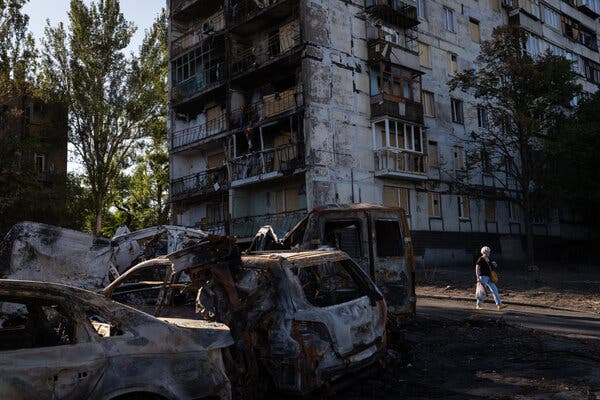
A small Russian drone resembling a model airplane swooped down from the sky last month in the city of Zaporizhzhia in southeastern Ukraine. As it tried to navigate toward a gas station, it crashed into a wall and exploded in a hail of shrapnel, killing Tetiana Bubynets, 19, a university student, and two others.
They were among the thousands of Ukrainian civilians who have died in Russian airstrikes, but the circumstances of their deaths came with an ominous twist. The drone that killed them was guided by an experimental artificial intelligence system, not a human pilot, according to drone experts, Ukrainian military commanders and the forensic team that examined wreckage from the deadly strike and others in the city.
The drone was programmed by human operators to travel toward a particular gas station, but once it got close, it chose its exact target — most likely propane tanks — on its own, based on its training to recognize such tanks and strike them, the experts and military officials said.
It is a development long watched for in the war in Ukraine, presaging a dystopian future in which killer robots roam the skies making life-or-death decisions that reduce targets to data points.
“This is a risk for the whole world,” said Col. Serhiy Minaiev, the commander of air defenses in Zaporizhzhia. “In a few years, we will be living in a ‘Terminator’ movie. It’s no joke. Machines are making decisions to strike.”