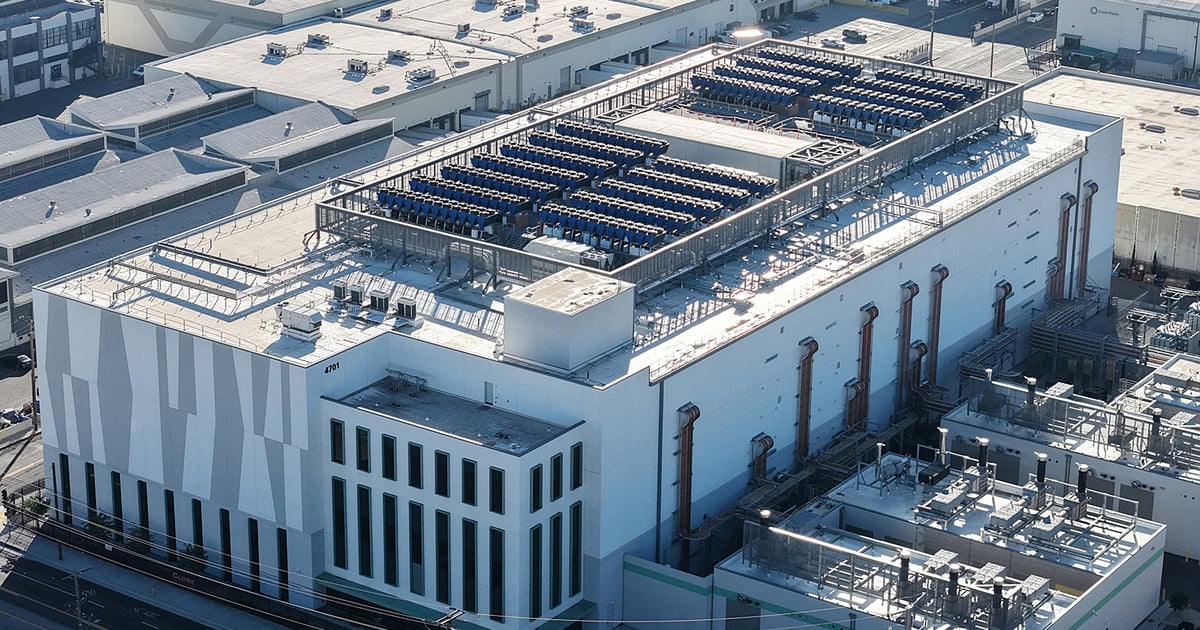
As artificial intelligence accelerates the growth of data centers across the United States, it is unleashing one of the most consequential wealth-creation events many landowners will ever experience.
Properties once considered modest or even low value are now trading at extraordinary prices as developers race to secure sites with power capacity and favorable zoning. For many families, farmers and long-term landholders, these sales represent the largest liquidity event of their lives.
But these windfalls bring a major challenge: taxes. Capital gains and depreciation recapture can easily consume 20%–30% of a land sale, dramatically reducing the proceeds available for reinvestment. For wealth advisors, accountants and financial planners, this is where the 1031 exchange becomes one of the most powerful strategies for building and preserving wealth through real estate.
A recent transaction illustrates the opportunity clearly. Our team at Avison Young recently finalized the 1031 exchange of a $75 million data center land sale. Rather than paying taxes upfront, the seller reinvested the full proceeds into a diversified portfolio of 11 income-producing net lease properties located throughout the United States. The exchange allows the seller to defer all capital gains taxes while converting a one-time liquidity event into stable, long-term cash flow.
Thanks to the data center boom, this shift from raw land to income-producing assets is increasingly common among landowners. Many of these sellers were not actively seeking to enter commercial real estate investing. Instead, the market came to them. What was once farmland, industrial acreage or underutilized land suddenly became a prime target for AI-driven development.
Net lease properties have become one of the best landing spots for sellers making their first institutional-quality investments. These assets typically feature long-term leases to investment-grade tenants who pay rent along with property taxes, insurance and maintenance expenses. The structure offers predictable, bond-like income with minimal management responsibility, a strong fit for sellers transitioning from passive land ownership.
A well-designed exchange strategy focuses on four goals:
• Full tax deferral, with 100% of sale proceeds available for reinvestment.
• Long-term wealth accumulation through stable cash flow.
• Diversification across tenants, sectors and geographies.
• Estate-planning benefits on death, with the capital gains eliminated due to the step-up in basis for heirs.
The 11-property portfolio created in this recent transaction reflects these principles. Instead of relying on one tenant, one industry or one market, the seller now holds a broad mix of properties that work together like a real estate mutual fund. This type of structure reduces concentration risk while creating a resilient income foundation.
It’s important to recognize that while the 1031 exchange is powerful, it requires disciplined execution. Identification timelines are strict, and replacement properties must be evaluated early to avoid tax-triggering missteps. Wealth advisors, CPAs and real estate professionals play a crucial role in ensuring clients fully understand the timing, structure and long-term implications of the exchange.
As AI-driven demand continues to surge, more landowners will face similar decisions. For advisors, this moment represents an opportunity to help clients transform unexpected appreciation into lasting financial security. A thoughtfully executed exchange can take raw land, an asset with no cash flow, and turn it into a diversified, income-producing portfolio that supports current needs and multigenerational planning.
The data center boom may be temporary, but the wealth it creates doesn’t have to be. With proactive planning, a one-time sale can become the foundation of a long-term income strategy that compounds for decades.