
After a glacial flood last year, Chinese officials strengthened defenses at a border crossing with Nepal. But last week’s “cascade of hazards” overwhelmed them.
Before last week’s deluge in a Himalayan valley killed more than 900 people along the border with Nepal, Chinese officials had spent months repairing the damage from an earlier landslide in the same area and trying to learn from it.
The trouble was that the next disaster was unlike anything they had prepared for.
Fourteen months earlier, a lake on a nearby glacier had burst, causing a landslide that swept away container trucks, houses, and a bridge at the Gyirong Port border crossing used by pilgrims, tourists and traders.
Afterward, the authorities closed the port for almost half a year, ordered emergency plans be updated to include the threat of glacial lake outbursts and set up a 24-hour sentry for sudden changes in water level. Construction began on a flood prevention system that included a new flood wall, reinforced dikes and channels to divert floodwaters, according to government tenders.
Gyirong County added “glacial lake outburst defense” to its training of local officials and held a special session with experts on the topic in May. Villagers near the border simulated a landslide, alerting residents through loudspeakers, WeChat messages and by knocking on doors. In July, the county’s top official inspected towns for their flood preparedness and ordered his staff to “detect early, report early and resolve early” any signs of glacial floods.
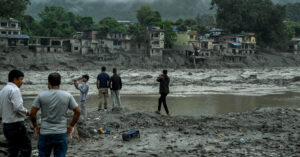
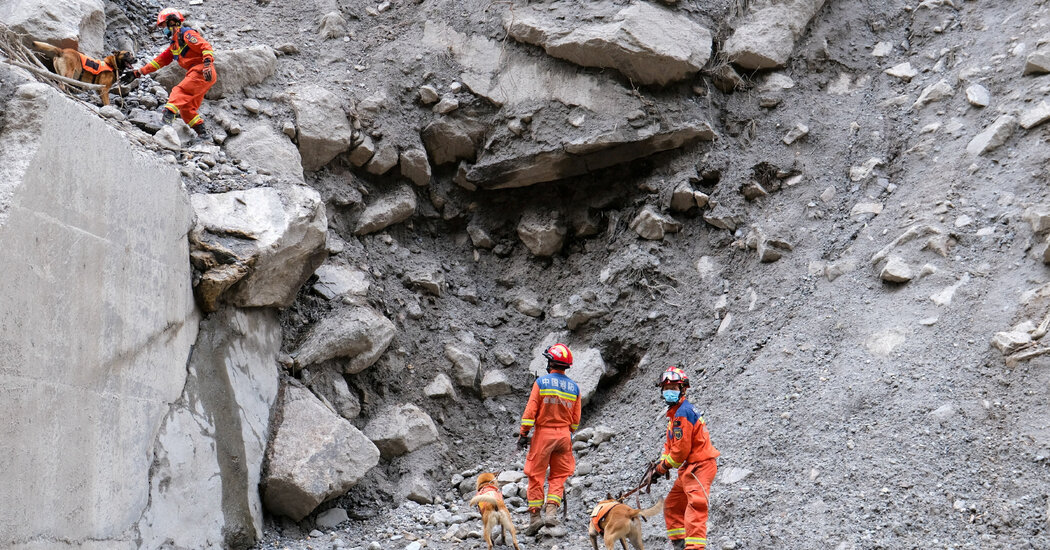
None of that preparation was enough. On Wednesday, a different hazard sent a tsunami-like wave of ice, boulders and water through the Gyirong Port complex, demolishing 27 buildings, before it surged into Nepal. Officials estimated that there were only six or seven minutes between the avalanche and when the border was hit.