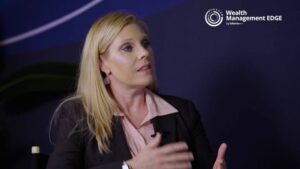
Tara Anne Pleat, a partner at Wilcenski Pleat Law, is speaking at two sessions of the Heckerling Institute on Estate Planning this week. Her topics center on cracks in the safety net for aging and disabled clients, as well as strategies for addressing a fraying system. Wealth Management and Trusts & Estates interviewed her about his topic.
System Failures
WM: What are some examples of system failures and critical gaps?
Tara Anne Pleat: One of the most profound failures is the assumption that support exists when it is needed. Even when financial resources are available, the human infrastructure isn’t. There’s a severe and worsening scarcity of caregivers, care managers, appropriate housing options and qualified fiduciaries and health care providers (hospitals, acute care facilities, etc.).
Compounding this is a system still built around crisis intervention rather than long-term decline. Capacity is treated as binary, planning is episodic and guardianship remains a default solution because earlier planning failed to anticipate the gradual loss of function. Layered onto all of this is guilt and shame. Clients feel they’re “failing” if they need help, and families feel they’re “bad children” if they can’t provide hands-on care. Estate planners must address not just legal gaps but also the emotional pressure points that prevent clients from planning realistically.
Planning Tools
WM: Are there planning tools and strategies to build private safety nets?
TP: Effective planning now requires creating substitute systems when public ones fall short. It means planning for care coordination, paid decision-making support and liquidity to respond to staffing shortages and care disruptions.
Families should begin this work early (as early as they have the bandwidth, and when we are talking about a child with a disability as soon as they know disability is in the mix), while options are broad and decisions can be made without urgency or shame. Waiting until a diagnosis or crisis sharply limits both autonomy and outcomes.
Public Benefits
WM: What’s the best way to navigate estate planning and public benefits?
TP: Private estate planning that ignores Medicaid, Medicare, Social Security Disability Insurance and Supplemental Security Income often undermines client security. I focus on early education, careful sequencing and trust structures that preserve eligibility while allowing flexibility as care needs change. Transitions from private pay to Medicaid, from independence to supported care must be anticipated rather than improvised. Long term our clients need to understand that success will be built on a public/private partnership, and both quite literally have skin in the game.
A Balancing Act
WM:. How do you balance financial security with autonomy and quality of life?
TP: The objective isn’t maximum asset preservation; it’s sustainable dignity. I prioritize planning models that preserve client voice, normalize the need for help and avoid unnecessary loss of autonomy. Legally recognized decision-making authority, flexible trust provisions and explicit quality-of-life goals help counteract the guilt and fear that so often drive poor decisions. Financial security should support living, not quietly replace it.