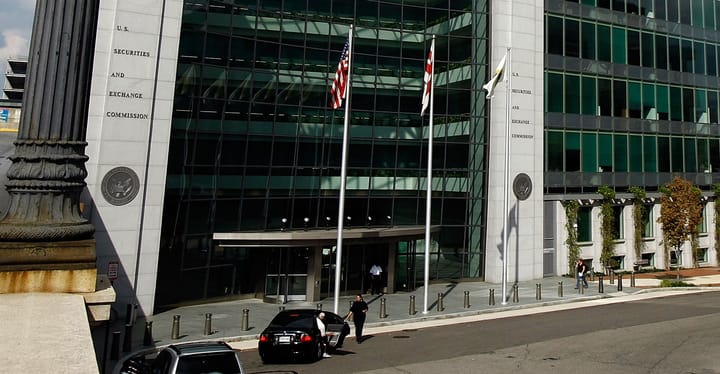
Zoe Financial, an RIA offering referral services between advisors and potential clients, didn’t disclose conflicts of interest related to its own wealth platform, according to the Securities and Exchange Commission.
The agency regulator settled charges against the New York-based firm, which acquiesced without admitting or denying the charges. To settle the claims, Zoe Financial will pay $450,000, among other measures.
In a statement, SEC New York Regional Office Associate Director Sheldon Pollock said advisors have an obligation to disclose conflicts, and must live up to them, “including when they offer a new technology or new feature to their clients.”
According to the complaint, Zoe Financial launched in 2018 and has about $284 million in managed assets; however, it provides advisory services to more than 20,000 clients who have no assets under management.
The firm acts as a referral service for potential clients seeking investment advisor recommendations, with advisors signing up for Zoe’s referral network (in which advisors agree to pay Zoe Financial a portion of clients’ fees if a client retains the advisor).
The firm matched clients to advisors using an algorithm based on client questionnaires. If a client seeking an advisor recommendation received matches but didn’t reach out, a salesperson would often check in and may recommend additional advisors. During the period in question, Zoe Financial clients chose advisors not provided by the algorithm about 46% of the time, according to the commission.
In 2023, Zoe launched Zoe Wealth, its own turnkey asset management platform offering sub-advisory services, account onboarding and other back-office support for advisors, with advisors in the Zoe referral network able to onboard their clients to Zoe Wealth.
According to the complaint, the firm linked the platform adoption to additional referrals, with one vice president telling an advisor that the firms using the platform would “obviously” get more referrals (though he said he would not call it a “quid pro quo”). By the end of 2024, Zoe Financial removed most advisors who were not using the platform from its referral network, the SEC claimed.
Zoe Financial earned net additional fees from advisors when clients it referred onboarded to Zoe Wealth, and the firm generally prospered by growing the platform. Therefore, the SEC argued Zoe Financial had an incentive to refer clients to advisors using the platform.
Though the firm’s algorithm didn’t account for whether an advisor used the platform, salespeople would often become involved if an advisor didn’t reach out to their automated match.
To the SEC, this is where the conflict of interest took shape; Zoe Financial didn’t mention Zoe Wealth or any conflict until October 2024. Even with the revision, the firm didn’t disclose Zoe’s financial interest in requiring advisors to use the platform for an additional three months.
Additionally, the firm didn’t properly disclose that some advisory firms held “indirect minority interests” in Zoe Financial, which the SEC argued presented another conflict.
Representatives from Zoe Financial declined to comment.
According to the commission, the firm took “remedial measures” in the wake of the alleged conflicts, including revising portions of its compliance manuals “relating to interactions between salespeople and clients to make it clear that salespeople were not to provide their own recommendations to clients.” The firm also hired a full-time, in-house chief compliance officer.