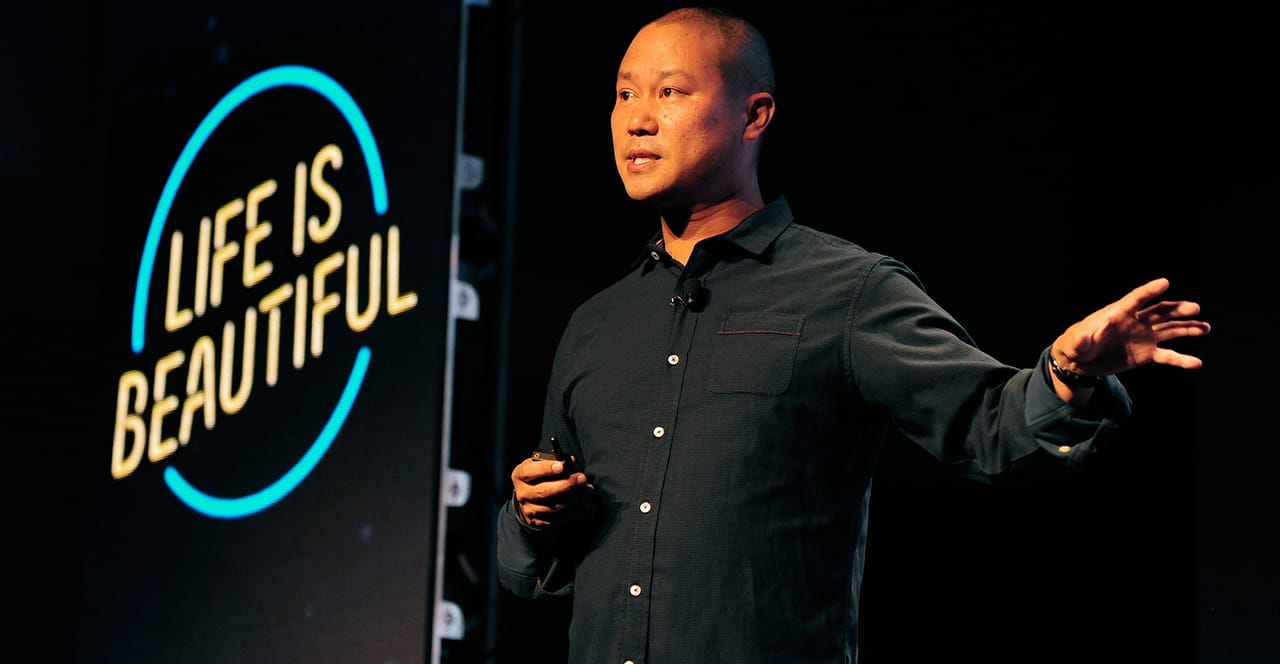
The recently published New York Times investigative report on the estate of Tony Hsieh, former CEO of online shoe retailer Zappos, revealed how a mysterious, anonymously mailed will, complete with untraceable witnesses and references to trusts no one can locate, has triggered a full probate battle over his $500 million estate. Tony died in 2020 with no known will, yet this seven‑page document, sent from an unknown source years later, now meets Nevada’s low threshold for consideration and has forced the court into a full will contest. It’s a case that underscores how quickly an estate can unravel when capacity concerns, poor documentation and informal planning collide.
Thomas Norelli, a partner in the Trusts and Estates Practice Group of Kirkland & Ellis LLP in New York City, points to problems not only with the documents but also with the lack of any estate plan. Tony died without a will, a trust or a clear record of intent, leaving his estate predictably vulnerable.
There was also no trust‑centered structure—no revocable trust, no funded vehicles and no fiduciaries prepared to step in—the very framework that typically protects ultra‑high‑net‑worth clients from probate exposure and opportunistic claims. Norelli points out that the will even referenced trusts that no one has been able to locate, a reminder that these structures must be created and documented during life. “If the documents don’t exist, there’s no governance structure—and that’s exactly the problem we’re seeing here.”
Wendy Cohen, special counsel in the Law Office of Robert J. Smith in New York City, puts it plainly: “Trust‑centered structures can minimize probate exposure and help reduce opportunities for fraud by introducing fiduciary oversight and built-in checks and balances, such as independent trustees, trust protectors and clearly defined distribution standards. Talk to your fiduciaries in advance and make sure they’re on board.” Without that structure, Tony’s estate is now navigating a full will contest involving forensic linguistics, handwriting analysis, missing witnesses and a “no contest” clause that could disinherit the entire family if they lose.
Basic Safeguard Missing
The most basic safeguard—executing documents under attorney supervision—was missing entirely. “Keeping clear communication is really key, which we didn’t have here,” says Norelli, who explains that document signing happens in a controlled environment, with known witnesses, a notary and a clear record of who holds the originals.
The absence of a clean chain of custody only deepened the uncertainty. The will arrived by mail with shifting return addresses and no verifiable origin. In a well‑run plan, attorneys use witness affidavits and document every step: “notes from client conversations, explanations of intent, and—where permitted—a signing‑day video,” adds Cohen. Without that infrastructure, even a document with a backstory that strains belief can force its way into court.
Declining Capacity
The issue of declining capacity is another area where Tony’s case exposes the risks of informal planning. The legal standard is straightforward, but assessing capacity in practice requires nuance. Norelli emphasizes that advisors must be alert to subtle signs: “If they’re pausing to remember basic information like children’s names and ages, that might be a red flag.” It’s also important to make sure no coercion is involved. “Meeting in person—not over Zoom—is essential to ensure no one is coaching the client from off‑screen,” he says, adding that he takes notes and in some cases records conversations with clients around their planning decisions and probes any sudden or unusual beneficiary changes,vespecially when someone outside their natural heirs stands to receive everything, “to ensure true intent and capacity at the moment of signing.”
When capacity is in question, Cohen suggests conducting solo client meetings “without family or beneficiaries present to reduce undue influence risks and preserve clear evidence. This is why the ABA has capacity checklists,” she reminds.
While cases like Tony’s are highly unusual, they expose every gap in the planning process. The best defense is proactive involvement: Advisors should stay in close contact with clients’ estate attorneys, participate in discussions and revisions and help maintain a clear record of intent, timing and execution so the timeline is never in doubt and multiple parties can corroborate it.
Since clients’ lives, families and financial circumstances evolve regularly, Norelli recommends revisiting estate plans ideally every year but at least every couple of years to ensure the documents still reflect the client’s wishes. Most clients do follow professional advice, but when they don’t, the consequences can be severe. “We can only do so much,” he says. “The client has to take our advice to heart.”