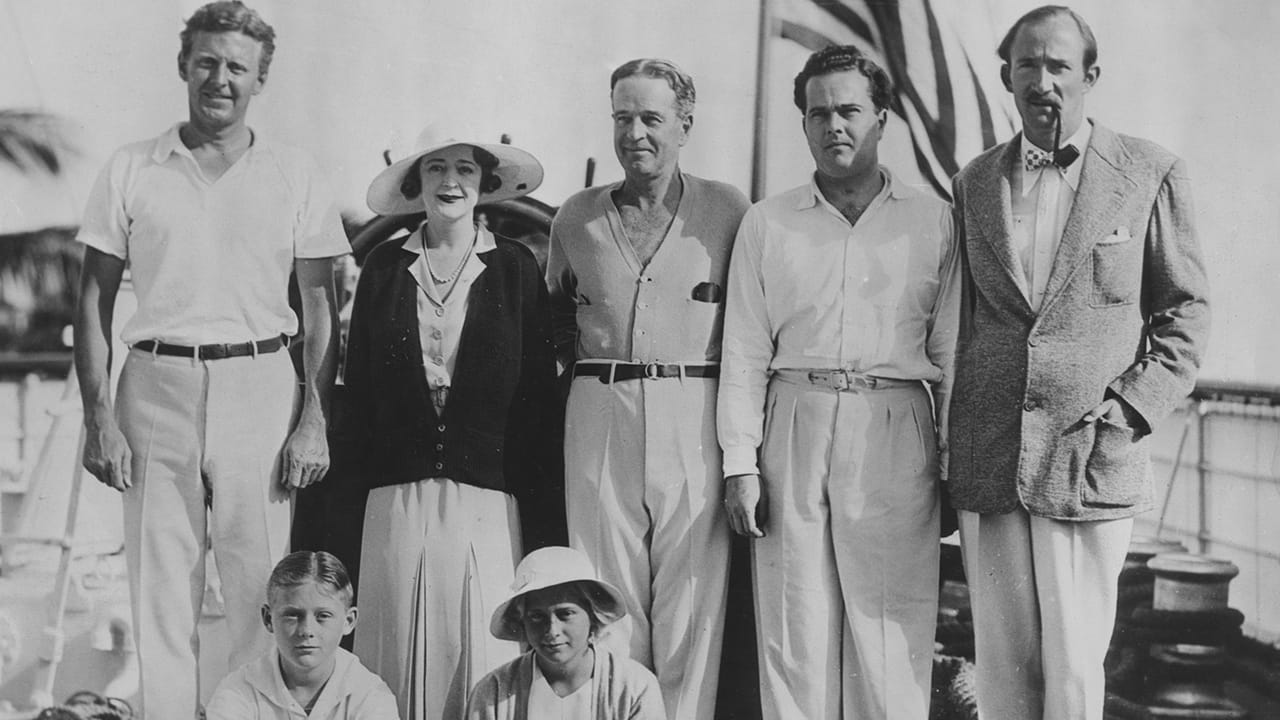
Family fortunes are hard to build, but they’re even harder to keep. We’ve all heard stories of wealth being squandered by the offspring of successful entrepreneurs. Here’s an example to refresh your memory: Cornelius Vanderbilt (1794-1877) established a 19th-century empire in shipping and railroads, which was worth an estimated $185 billion in today’s dollars. His son, William Henry Vanderbilt, doubled that fortune, but subsequent generations struggled to preserve it. Lavish spending, fragmented inheritance and a lack of financial discipline led to rapid decline. By the 1970s, none of the 120 descendants were millionaires. Grand mansions were sold or demolished, and the family’s stake in the New York Central Railroad was eventually lost. Though Gloria Vanderbilt and her son Anderson Cooper forged independent careers, the original fortune had largely dissipated, serving as a stark reminder that generational wealth requires stewardship, not just legacy. This family story is a powerful illustration of the “Shirtsleeves to shirtsleeves in three generations” proverb.
Transmitting Values
Good estate-planning documents protect assets. But good values protect beneficiaries. Your clients might not be Vanderbilts, but they’ve accumulated assets that are worth preserving. And this may be the key to making generational wealth last for generations: Transmitting family values along with family money. People who build wealth and great companies tend to focus on others’ needs. They’re sensitive to the problems of others. They’re aware of people’s desires. And they find a way to offer products, services and capital to help other people get what they want. In a free market, that approach leads to growth and financial success for the person or organization that delivers what people want and need. In his book, Hit Refresh, Satya Nadella of Microsoft says, “Innovation comes from having a deep sense of empathy for the unmet and unarticulated needs of customers.”
And to be clear, many people find financial success without being the founder or CEO of a company. Millions of managers, directors and executives work inside organizations that collectively solve problems and meet needs. As they attend staff meetings, collaborate to hit timelines and objectives or simply do good work, they’re adding value. Corporate efforts serve customers, clients or patients. And it’s this ethic that must be instilled in our clients’ children if they are to maintain the wealth their parents built.
This means that parents must be intentional about conveying values—consistently over time. The word “instilled” implies “drip by drip.” And transmitting the value of meeting people’s needs requires that parents talk about their work: what they do, how they interact in the world, who they work for and how they solve problems and meet needs. Much of our work as advisors and planners involves money: how to invest it, how to limit taxes and how to effectively pass it to the next generation. But we can serve our clients even better if we help them learn to talk and share with their kids.
Having Meaningful Conversations
For young families, the kids are somewhat of a captive audience. Two great places to talk about work and values are at dinner and in the car. You might encourage parents to tell stories. They can use people’s names and descriptions that children can relate to. Mom and dad can share about the person and their situation. They can give some background about their family or their history. And then a sentence or two about how the parent solved a problem or gave some help. Telling a story like this a few times a week will teach children that life is about helping other people and that the purpose of work is to add value and improve people’s lives. If our clients want children who can build and maintain wealth, it is critical that they learn to serve others rather than focus on maximum consumption.
Clients with adult children may have fewer conversations with them. But gatherings around anniversaries, birthdays and retirement celebrations can be critical moments to tell the stories of how they added value to people around them. As you’ve learned about your clients’ work, consider suggesting that they share their stories with children and grandchildren. You might advise them to gather pictures and use a photo album or collage as a focal point for stories that illustrate their commitment to others. In my own family, we use the Christmas gathering to review the family timeline. There are pictures of the kids as they grew, photos of office buildings we worked in and reminders of key decisions we faced and the outcomes of our choices. Family stories like this serve as a guidance system for your clients’ legacy plans.
We serve our clients well by providing sound advice on investments, legal documents and tax strategies. We serve them best when we give them tools to guide their families in the stewardship of family wealth.