The 401(k) and 403(b) markets have enjoyed, or suffered from, being an isolated niche market protected by deep moats that include arcane technology, burdensome regulation, elevated fiduciary oversight and complicated distribution. It also suffers from low and declining fees, appearing like an Arabian desert where eking out a living seems arduous unless, of course, you see the oil underneath, which is the 100 million participants and annual $1 trillion in rollovers.
So why would the best and the brightest from the tech or financial services worlds be interested in the defined contribution industry, which is maybe why no outsider has made a major impact?
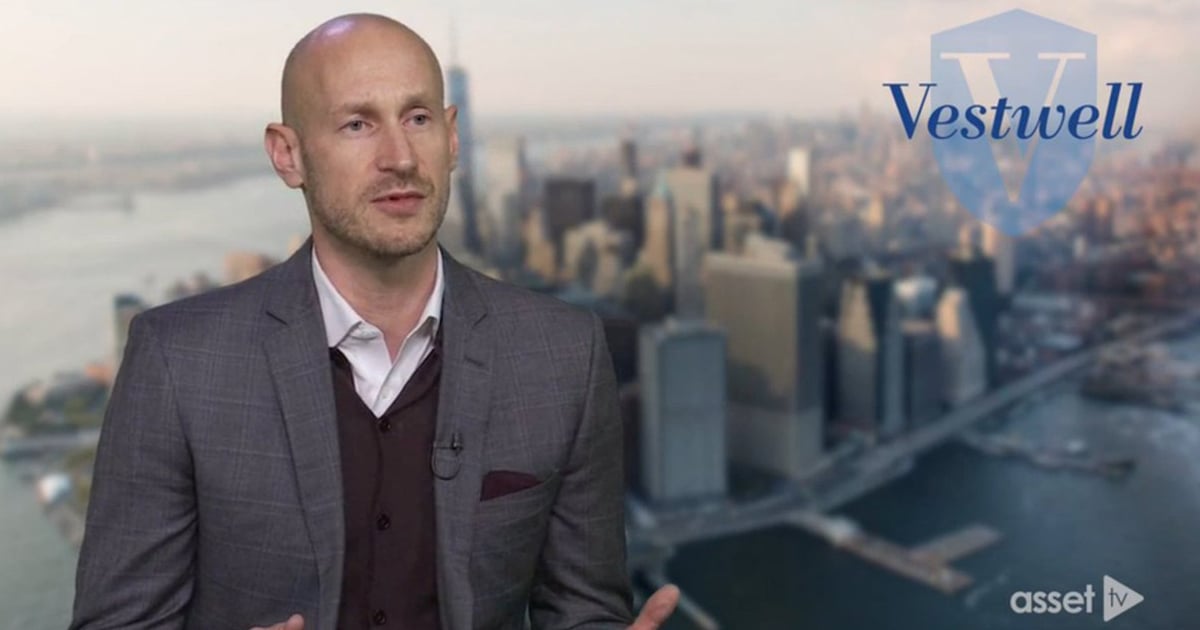
All of which could change as Vestwell, led by visionary CEO and founder Aaron Schumm, announced a $385 million Series E round, mostly to buy the 27,000 Guideline plans not with their acquirer Gusto, but also to expand tech, especially AI, and hire more people.
“The DC industry is having a moment,” commented Schumm. “Lawmakers, the industry and people are aligned.”
Vestwell is at the heart of many of the major trends that start with the convergence of wealth and retirement at the workplace. More than just saving for retirement, DC platforms can serve as a financial planning hub. As benefits are integrated, Schumm believes this hub can also enable employees to allocate the next-best dollar by leveraging AI. Managed accounts, which Vestwell adopted early, are a way to deliver advice at scale and eventually retirement income.
The other major trend is the explosion of new plan formation. Not only is Vestwell poised to be able to profitably capture new and smaller plans through their own distribution, but it also enjoys partnerships with firms like Morgan Stanley, JPMorgan Chase, Manulife John Hancock and most recently Amazon’s distribution network, as well as payroll providers, which should expand through the Guideline non-Gusto payroll partners it recently acquired.
When asked what surprised him most after he founded Vestwell 10 years ago, coming from the wealth industry where he co-founded FolioDynamix, acquired by Envestnet, Schumm responded:
-
“I didn’t realize [legacy] record keeping was so broken.” Schumm thought he could succeed as a middleware provider, resisting building a new record-keeping system at first.
-
“I thought we could put more people in a slimmer box. I didn’t understand the different permutations needed, which grow as we go up market, including peripheral services.”
-
“I didn’t realize how fragmented the workplace was and that wealth and retirement were so disconnected, which is why, 10 years ago, most wealth advisors didn’t want to touch DC plans, which is changing.”
What he got right from the beginning were:
-
“Our focus on the advisor. We got lots of ‘no’s’ from investors about our advisor focus, which we believed we had to embrace.”
-
Industry consolidation
-
“We thought about fully embedding all savings into one ecosystem through a self-serve, one-click system integrating payroll.”
The future seems bright for Vestwell, which has used part of the recent proceeds to build more tech, especially AI, with 56 chatbots, and has hired an additional 70 people since mid-January, bringing their total to just under 600. Unlike most acquisitions, Vestwell will not have to integrate tech and people—just move the Guideline clients onto a new platform.
Schumm claims Vestwell will be profitable next quarter and, though he would not provide a timeline, he admitted, “An IPO is the logical next step. We manage like we are going IPO. We don’t want to be integrated into a bigger organization.” They are open to acquiring legacy record keepers, where buyers seem to have dried up, though Schumm is cautious, noting, “We said no to two businesses recently.”
Guideline, now focused on Gusto clients, is no longer a real competitor, while Human Interest is attempting to disrupt the industry rather than change it from within, like Vestwell, which is a much riskier bet. 401Go is making strides, but is still relatively small.
“Though we have earned the right to lead this space, we [the industry] have a long way to go,” stated Schumm.
Indeed, with a total of $660 million raised from PE firms eager to invest more in what they see as a enormous addressable market, tech enabled by AI, scale with over 60,000 plans and $50 billion, major distribution partners as well as their own, Vestwell is well positioned to take on some of the biggest and best record keepers as advisors look for partners who do not compete with them and are willing to safely share data. It certainly helps that their leader comes from the wealth tech world, eagerly willing to partner.
With growing scale, distribution, and resources, leveraging a new-tech record-keeping system, Vestwell and Schumm could very well be the first outsiders to radically change DC plans, integrating wealth, retirement, and benefits at the workplace while profitably serving all plan sizes.